𝐅𝐋𝐀𝐒𝐇 𝐅𝐋𝐎𝐎𝐃 𝐌𝐎𝐍𝐈𝐓𝐎𝐑𝐈𝐍𝐆 𝐑𝐄𝐏𝐎𝐑𝐓!!!!!!!!!
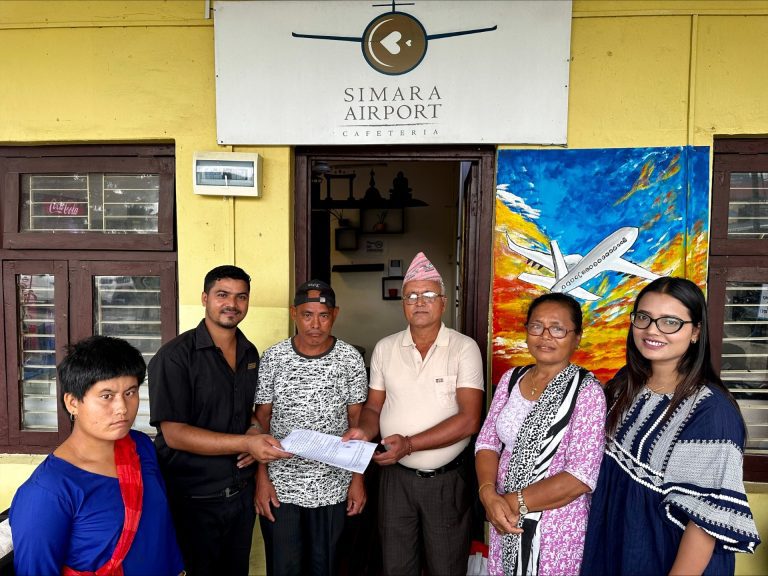
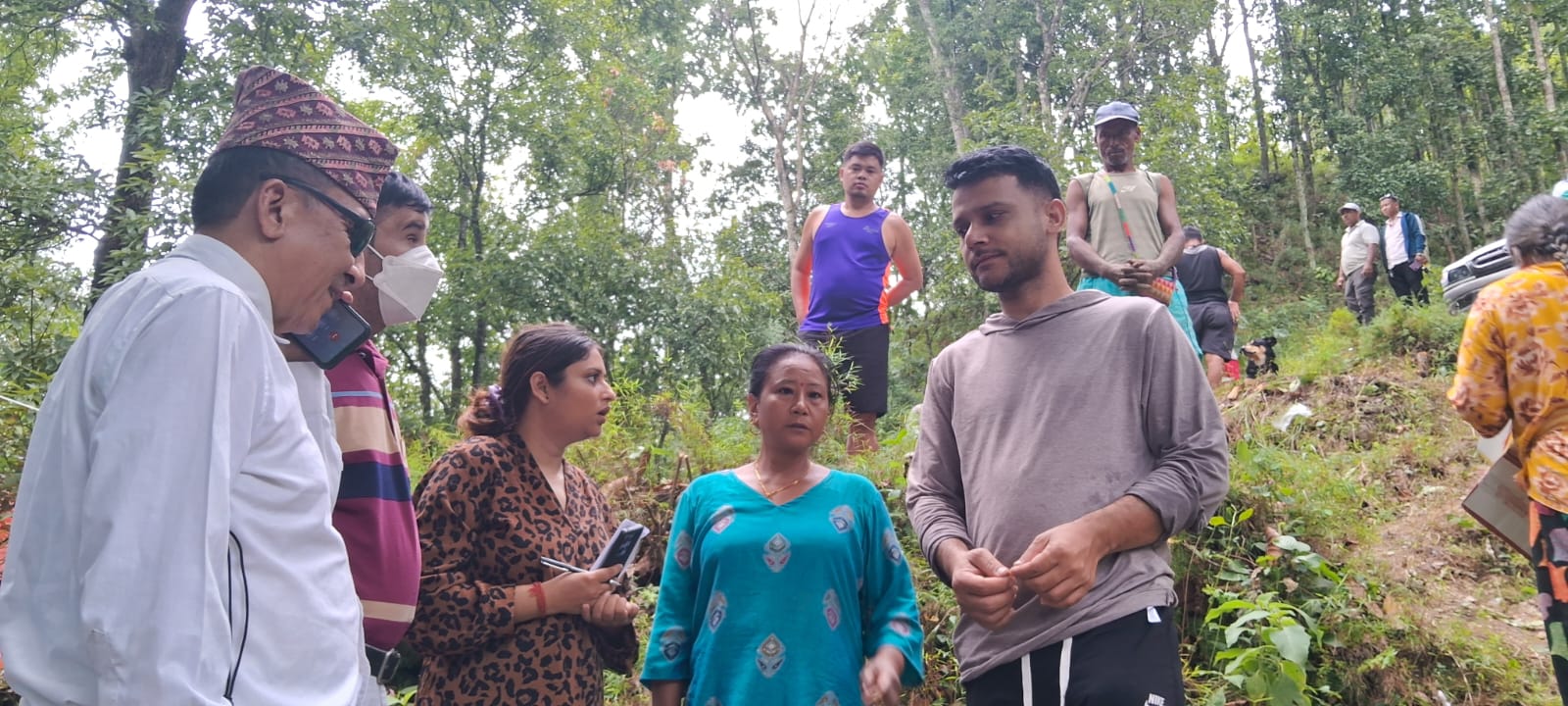
Following the devastating flash floods that affected Nuwakot, Rasuwa and Dhading in September 2026, PFPID Nepal, in collaboration with the Nepal Association of the Blind (NAB), conducted a field monitoring visit on 3rd and 4th september to understand how persons with disabilities, especially persons with intellectual disabilities, have been affected. PFPID Nepal’s Executive Director, Bhusan Raj Raut, visited affected communities and temporary shelters to better understand the challenges faced by persons with disabilities and their families.
The monitoring revealed an important concern: although many families have been affected by the floods, persons with intellectual disabilities are often overlooked during emergency response and relief efforts.
 𝐊𝐞𝐲 𝐅𝐢𝐧𝐝𝐢𝐧𝐠𝐬:
 More than 41 persons with disabilities were identified as affected, rescued or reported missing.
Six reported missing persons with disabilities still require verification.
Around 150 children were affected by the floods.
Persons with intellectual disabilities were identified among displaced and rescued individuals staying in temporary shelters.
Gaps remain in disability identification, accessibility, psychosocial support and individualized assistance.
One of the most concerning cases documented during the monitoring was that of a child with an intellectual disability in Betrawati, Bidur Municipality Ward No. 10. The child’s mother was a daily-wage worker and the family’s primary caregiver. Because there was no one available to care for the child while she went to work, she reportedly locked the door before leaving. When the flash flood struck, the child was reportedly still inside the house.The child was unable to understand the emergency, unlock the door or evacuate independently. At the time of the monitoring visit, the child’s whereabouts remained unconfirmed.
The assessment also showed that the impact of the floods goes beyond damaged homes. Many families continue to struggle with limited access to food, drinking water, electricity, healthcare and transportation. These challenges can be even greater for persons with intellectual disabilities and their caregivers who often rely on daily routines and support networks.
Despite these difficulties, communities came together to support those affected. Volunteers, local leaders, teachers, community organizations and faith-based groups worked tirelessly to provide shelter, food, medical assistance and psychosocial support.
 𝐏𝐅𝐏𝐈𝐃 𝐍𝐞𝐩𝐚𝐥 𝐂𝐚𝐥𝐥𝐬 𝐅𝐨𝐫:
• Urgent verification of missing persons with disabilities
• Disability-disaggregated data collection and tracking systems
• Accessible and inclusive relief and recovery services
• Disaster preparedness plans that address the needs of persons with intellectual disabilities
• Psychosocial support for persons with disabilities and their caregivers
• Meaningful participation of disability organizations in response and recovery efforts
At PFPID Nepal, we believe that disability inclusion must be part of every stage of disaster management, from preparedness and emergency response to recovery and reconstruction.
Together, let’s build a disaster response system where no one is left behind.